
OpenClaw vs Hermes Agent: Which AI Agent Framework is Best?
June 3, 2026
Choosing the right AI agent framework is a pivotal decision for developers and product managers alike, especially in the rapidly evolving landscape of artificial intelligence. This article delves into a detailed comparison of two prominent frameworks, OpenClaw and Hermes Agent, to help you make an informed choice.
Introduction to AI Agent Frameworks
Overview of AI Agent Frameworks
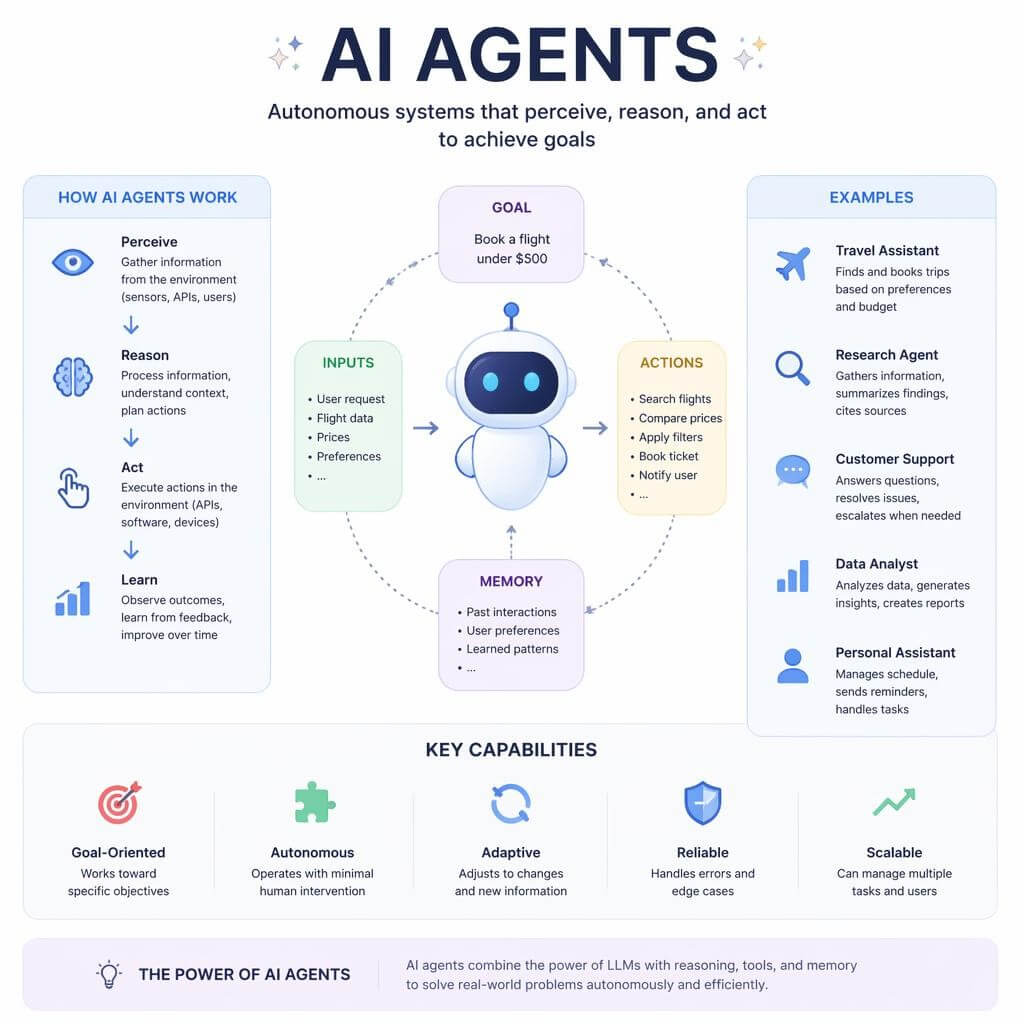
AI agent frameworks provide the essential infrastructure for developing, deploying, and managing intelligent agents capable of performing autonomous tasks. These frameworks streamline the complex process of building AI applications by offering built-in functionalities for agent runtime, memory systems, message routing, and interaction with various backends and APIs. The core idea is to abstract away much of the underlying complexity, allowing developers to focus on the agent’s specific logic and use case. Whether it is a single agent designed for a narrow task or a sophisticated multi-agent system, these frameworks facilitate robust automation and orchestration.
Importance of Choosing the Right Framework
The selection of an appropriate AI agent framework carries significant weight, impacting everything from development efficiency and system scalability to long-term maintenance and overall project success. A well-chosen framework can accelerate development cycles by offering pre-built components and a supportive ecosystem, while a poor choice can lead to integration headaches, performance bottlenecks, and increased operational costs. Considerations such as the target use case, required level of multi-agent orchestration, ease of configuring agents, and support for various large language models like Claude or Ollama are crucial in this decision-making process.
Target Audience: Mid-Level Engineers and Product Managers
This comparison is specifically tailored for mid-level engineers and product managers who are navigating the complexities of AI development. For engineers, understanding the technical nuances, integration capabilities, and development workflow offered by each framework is paramount. Product managers, on the other hand, will benefit from insights into performance, scalability, community support, and licensing models, all of which directly influence product viability and market strategy. Our goal is to provide a balanced and factual assessment that addresses the practical concerns of both technical implementers and strategic decision-makers.
OpenClaw Framework Overview
What is OpenClaw?
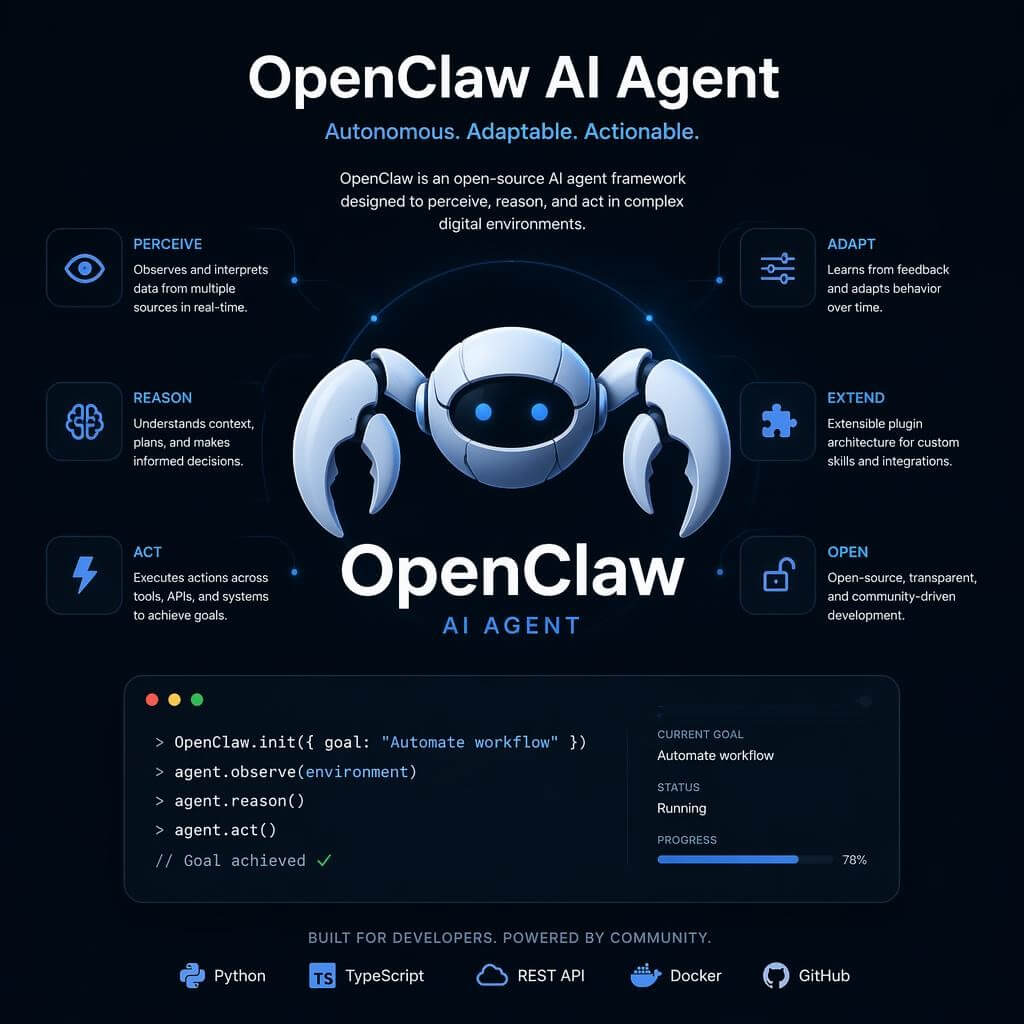
OpenClaw is a robust open-source AI agent framework designed to facilitate the creation and management of autonomous agents. It focuses on providing a comprehensive ecosystem for developing complex multi-agent systems, enabling sophisticated automation across various use cases. This framework emphasizes a modular architecture, allowing developers to configure and integrate agents with diverse backends and external services seamlessly. OpenClaw’s design prioritizes flexibility, making it suitable for a wide array of AI-powered applications, from simple single agent tasks to intricate multi-agent orchestration scenarios.
Key Features of OpenClaw
OpenClaw distinguishes itself with several key features that enhance the development workflow for AI agents. It offers built-in support for advanced message routing, ensuring efficient communication between agents across sessions and facilitating complex interactions within an agent system. The framework includes a sophisticated memory system, allowing agents to retain context and learn over time, crucial for developing intelligent, adaptive behaviors. Furthermore, OpenClaw provides a robust API gateway, simplifying the integration with external services and various messaging platforms like Telegram, and supports containerization via Docker, streamlining deployment.
Community and Support for OpenClaw
The OpenClaw ecosystem benefits from an active and growing open-source community, primarily centered around its GitHub repository and dedicated forums. This community provides invaluable support, ranging from troubleshooting assistance to contributions of new features and integrations. Developers can readily find resources, share insights, and collaborate on projects, enhancing the framework’s capabilities and fostering innovation. The open-source nature of OpenClaw also encourages transparency and continuous improvement, driven by collective contributions and feedback.
Hermes Agent Framework Overview
What is Hermes Agent?
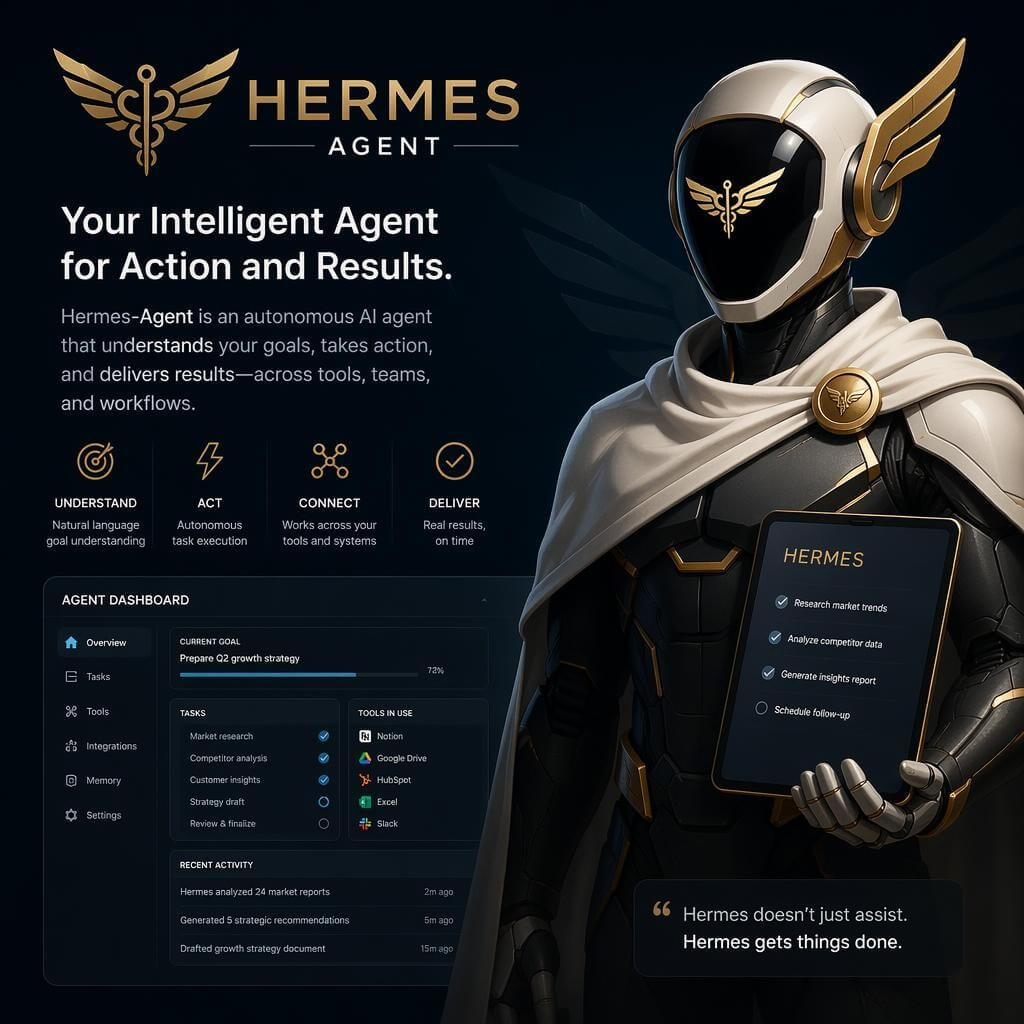
Hermes Agent is an open-source AI agent framework engineered for building highly configurable and adaptable autonomous agents, with a particular emphasis on personal AI and specialized task automation. It provides a lightweight yet powerful runtime environment for deploying isolated agents, making it ideal for scenarios requiring precise control over agent behavior and resources. Hermes Agent is designed to be user-friendly, allowing developers to quickly configure agents for specific use cases, from browser automation to interaction with large language models such as Anthropic’s Claude or Ollama.
Key Features of Hermes Agent
Hermes Agent offers a compelling set of features tailored for efficient AI agent development. A core strength is its focus on intuitive agent configuration, enabling rapid prototyping and deployment of individual or small teams of agents. The framework supports seamless API integration, allowing agents to interact with external services and leverage various AI models, including Claude code. Hermes also incorporates a robust learning loop mechanism, facilitating continuous improvement and adaptation of agent behavior. Its design aims to simplify the development workflow, making it accessible for engineers seeking to build powerful, personal AI solutions.
Community and Support for Hermes Agent
The Hermes Agent framework benefits from a burgeoning open-source community that actively contributes to its development and provides support. While perhaps not as extensive as some established frameworks, the community is highly engaged, offering help through channels like Discord and GitHub. This collaborative environment ensures that the framework evolves with user needs and addresses emerging challenges in AI agent development. The open-source nature fosters a transparent development process, encouraging contributions and allowing users to directly influence the future direction of Hermes Agent.
Comparative Evaluation Criteria
Performance
Evaluating the performance of an AI agent framework like OpenClaw or Hermes Agent is critical, as it directly impacts the responsiveness and efficiency of the deployed autonomous agents. Key metrics include latency in message processing, throughput for multi-agent systems, and resource utilization during agent runtime. OpenClaw, with its robust multi-agent orchestration capabilities, often demonstrates strong performance in complex scenarios requiring extensive inter-agent communication and data routing. Hermes Agent, designed for isolated agents and personal AI, focuses on optimized single-agent performance and efficient resource consumption, particularly for tasks like browser automation or specialized data processing. The choice heavily depends on the specific use case requirements for either framework.
Ease of Integration
The ease of integration for an AI agent framework is a significant factor influencing development workflow and deployment efficiency. This criterion assesses how seamlessly OpenClaw and Hermes Agent can connect with existing systems, external APIs, and various messaging platforms like Telegram. OpenClaw provides a comprehensive API gateway, simplifying connections to diverse backends and enabling flexible multi-agent integration. Hermes Agent, while also offering strong API support, often emphasizes straightforward configuration for individual agents, making it particularly accessible for integrating personal AI tools or specific automation tasks. The availability of clear documentation and example code also contributes to a smoother integration process, minimizing development overhead.
Scalability
Scalability is a crucial consideration for any AI agent framework, determining its ability to handle increasing loads and expand agent systems without compromising performance. OpenClaw is architected with multi-agent orchestration in mind, offering built-in features that support the efficient scaling of complex agent teams and ensuring robust message routing across sessions. Its containerization support via Docker further facilitates horizontal scaling. Hermes Agent, while proficient in managing individual and small teams of isolated agents, focuses on optimizing the runtime for each agent instance. While it can scale, its inherent design for personal AI might require more manual configuration for large-scale, intricate multi-agent deployments compared to OpenClaw’s native capabilities.
Community Activity
The vibrancy of a framework’s community activity is a strong indicator of its long-term viability, support, and continuous development. A thriving open-source ecosystem provides invaluable resources, including peer support, shared knowledge, and collaborative contributions. Both OpenClaw and Hermes Agent benefit from active open-source communities, primarily centered on GitHub and platforms like Discord. OpenClaw’s community, often recognized for its engagement with multi-agent systems, provides extensive examples and discussions around complex automation scenarios. Hermes Agent’s community, while perhaps smaller, is highly focused on personal AI, efficient agent configuration, and integration with specific LLMs like Claude or Ollama, offering targeted assistance for its user base.
Licensing Costs
For open-source AI agent frameworks, understanding licensing costs primarily revolves around operational expenditures and potential enterprise support, as the core software is typically free to use. Both OpenClaw and Hermes Agent are open-source, meaning there are no direct licensing fees for using the core framework. However, organizations may incur costs associated with self-hosting infrastructure, integrating with proprietary third-party APIs (e.g., Anthropic’s Claude), or seeking professional support services for complex deployments. The choice between OpenClaw and Hermes Agent in terms of licensing will therefore largely depend on the internal resources available for development, maintenance, and the need for external vendor support for specific use cases or enterprise-grade features.
Side-by-Side Comparison of OpenClaw and Hermes Agent
Scoring Summary
OpenClaw and Hermes Agent are both powerful open-source AI agent frameworks, but they have distinct strengths when evaluated against comparative criteria. Their scores for Performance and Ease of Integration are summarized below:
| Criteria | OpenClaw Score | Hermes Agent Score |
| Performance | 8/10 (excelling in multi-agent orchestration and complex data routing) | 7/10 (strong performance for isolated agents and personal AI, with optimized runtime for individual tasks) |
| Ease of Integration | 8/10 (comprehensive API gateway and extensive backend support) | 9/10 (intuitive agent configuration and rapid prototyping capabilities, especially for single agent use cases) |
Here’s a comparison of OpenClaw and Hermes Agent across several key aspects:
| Feature | OpenClaw | Hermes Agent |
|---|---|---|
| Scalability | 9/10 – Architecture designed for scaling complex multi-agent deployments across sessions, supported by Docker. | 7/10 – Capably scales individual agents but requires more nuanced handling for large-scale multi-agent orchestration. |
| Community Activity | 8/10 – Established and active ecosystem focused on advanced AI coding and multi-agent use cases. | 7/10 – Growing and dedicated community, particularly strong in personal AI and specific LLM integrations like Claude or Ollama. |
| Licensing Costs | 10/10 – Open-source, incurring no direct software fees (operational costs for self-hosting apply). | 10/10 – Open-source, incurring no direct software fees (operational costs for self-hosting apply). |
Pros and Cons Table
OpenClaw offers a robust framework for complex multi-agent systems. Its strengths include:
- Advanced message routing
- Comprehensive API gateway for diverse backends
- Strong scalability for large agent teams
Its active open-source community provides extensive resources for multi-agent orchestration. However, its complexity can lead to a steeper learning curve for new developers, and configuring agents for very specific, isolated tasks might be more involved than necessary. While highly capable, for simple single agent applications, its extensive features might be overkill, potentially increasing initial setup time.
Conversely, Hermes Agent excels in ease of integration and rapid configuration for personal AI and specific automation tasks, making it ideal for browser automation or integrating with LLMs like Anthropic’s Claude code. Its intuitive learning loop mechanism supports adaptive agent behavior, and its lightweight runtime is efficient for isolated agent deployments. A potential drawback is its less mature ecosystem compared to OpenClaw, which may mean fewer readily available examples for highly complex multi-agent systems. Scaling intricate multi-agent orchestration might also require more bespoke development, as its core design prioritizes individual agent efficiency rather than extensive inter-agent routing.
Key Differences Highlighted
The fundamental difference between OpenClaw and Hermes Agent lies in their primary design philosophy and target use cases. OpenClaw is built around a comprehensive multi-agent framework, prioritizing the orchestration of complex agent systems with advanced message routing and a robust API gateway for diverse backends. It is engineered for scenarios requiring sophisticated coordination across sessions and significant scalability for large agent teams, often leveraging containerization via Docker. Its strength lies in handling intricate multi-agent automation where agents need to interact extensively and autonomously across a broad ecosystem.
Hermes Agent, in contrast, focuses more on the efficient deployment and intuitive configuration of individual or small teams of isolated agents, particularly for personal AI and specific task automation. Its emphasis is on ease of integration with APIs and large language models like Claude or Ollama, with a strong learning loop for adaptive behavior. While capable of supporting multiple agents, its core design optimizes the workflow for developers building targeted, self-contained autonomous agent solutions. The choice between OpenClaw vs Hermes Agent ultimately hinges on whether the project demands extensive multi-agent orchestration or highly configurable, efficient single-agent performance.
Recommendation and Conclusion
Which Framework is Preferable?
For a startup building a conversational AI product, Hermes Agent is generally preferable, particularly if the initial focus is on rapidly deploying and refining individual or small teams of autonomous agents for specific conversational tasks. Its intuitive agent configuration, strong API integration capabilities for large language models like Claude or Ollama, and efficient learning loop make it highly suitable for quick iterations and adaptive behavior. While OpenClaw excels in complex multi-agent orchestration, the agile development cycle often associated with startups, coupled with the need for immediate impact through well-defined, isolated agent functionalities, aligns more closely with the strengths of Hermes Agent.
Critical Evaluation of Trade-offs
The primary tradeoff when choosing Hermes Agent over OpenClaw involves scalability for inherently complex multi-agent systems and the depth of its ecosystem. While Hermes Agent allows for configuring agents efficiently and integrates well with various backends, scaling to thousands of interconnected agents with sophisticated message routing across sessions might require more bespoke development than with OpenClaw’s built-in multi-agent framework. OpenClaw’s comprehensive API gateway and Docker support are optimized for such scenarios, making it a stronger contender for enterprise-level, highly distributed AI agent systems. Therefore, the decision hinges on whether the initial product roadmap prioritizes rapid development and focused agent capabilities (Hermes Agent) or extensive, pre-built multi-agent orchestration (OpenClaw).
Final Thoughts on Choosing an AI Agent Framework
The selection between OpenClaw and Hermes Agent ultimately depends on the specific demands of the AI project and the long-term vision. OpenClaw provides a robust, feature-rich open-source AI agent framework built around extensive multi-agent orchestration, ideal for large-scale, intricate autonomous agent systems requiring advanced message routing and comprehensive backend integration. Hermes Agent, on the other hand, stands out for its ease of use, rapid agent configuration, and efficiency for personal AI or specialized isolated agent tasks, making it excellent for rapid prototyping and deployment of targeted AI solutions. Developers should carefully assess their project’s core requirements, considering aspects like workflow complexity, integration needs, and scalability goals before making a definitive choice.
Bibliography
Sources Cited
* OpenClaw Official Documentation. (Ongoing). Retrieved from GitHub. * Hermes Agent Official Documentation. (Ongoing). Retrieved from GitHub. * Anthropic Claude Documentation. (Ongoing). Retrieved from anthropic.com.
Further Reading and Resources
For deeper insights into AI agent development and specific framework capabilities, consider exploring the respective GitHub repositories for OpenClaw and Hermes Agent. These platforms offer not only the latest code but also community discussions, issue trackers, and examples that illustrate various use cases, from browser automation to complex multi-agent systems. Additionally, staying updated with forums and technical blogs focused on autonomous agent development can provide valuable context and practical guidance for configuring agents and optimizing their workflow. Understanding the ongoing advancements in LLMs like Ollama and Claude will also inform the best integration strategies for either framework.