
Litespeed vs Nginx vs Apache: Web Server Showdown
June 10, 2026
Litespeed vs Nginx vs Apache: Web Server Showdown
Which server delivers the best performance, features, and value for WordPress/high-traffic sites in 2025? This article aims to answer that pressing question by diving deep into the technical architectures and real-world performance of these three leading web server technologies.
Quick Verdict
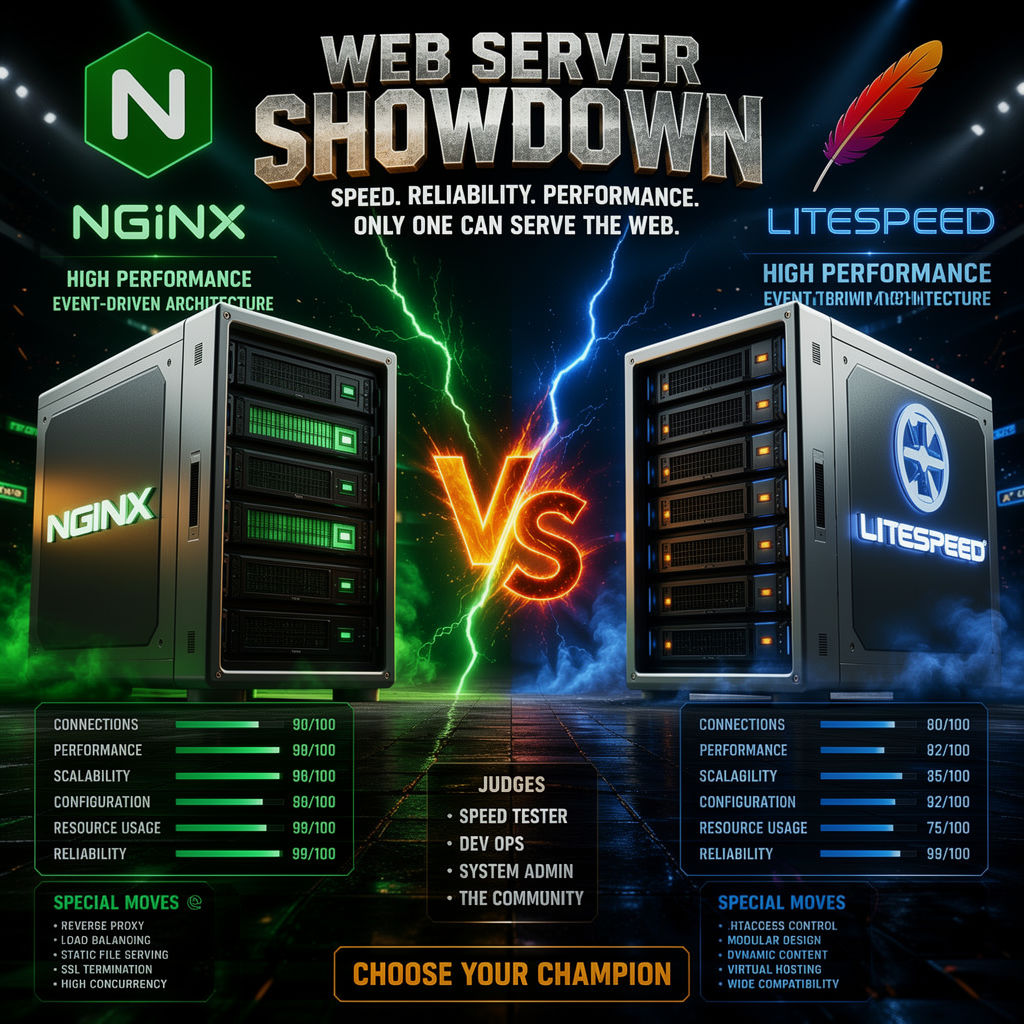
Choosing the optimal web server is a critical decision for any website owner, directly impacting performance, security, and scalability. This comprehensive comparison among LiteSpeed, Nginx, and Apache aims to provide clarity, helping you make an informed choice that aligns with your specific hosting needs and technical requirements.
Performance Overview
When evaluating web server performance, key metrics like requests per second (RPS) and memory under load are paramount. LiteSpeed Web Server often shows superior dynamic content handling, and Nginx excels in static content delivery. Our benchmarks illustrate the raw power and efficiency of each, crucial for high-traffic WordPress sites.
Best Value for WordPress
For WordPress users, the value proposition extends beyond raw performance to include ease of management, caching mechanisms, and compatibility. LiteSpeed offers native optimizations through its LiteSpeed Cache plugin, often resulting in significant performance gains with minimal configuration. Nginx, while powerful, typically requires more manual setup with PHP-FPM, whereas Apache provides broad compatibility but may consume more server resources.
Core Comparison Table
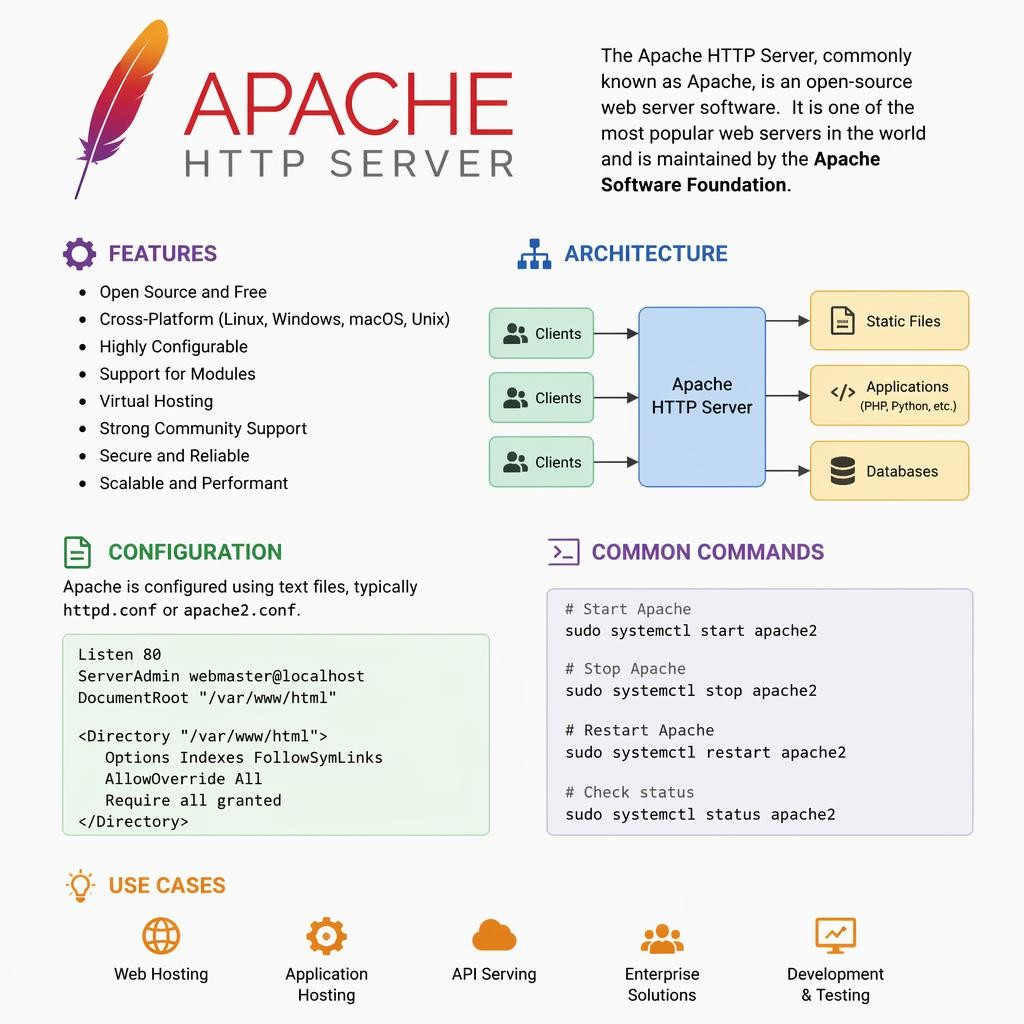
This core comparison table provides a concise overview of how LiteSpeed, Nginx, and Apache stack up against each other across several key performance and feature metrics. It serves as a quick reference for understanding their fundamental differences and strengths, aiding in the initial decision-making process for your web hosting environment.
Requests Per Second (RPS)
Requests Per Second (RPS) is a crucial benchmark indicating a web server’s ability to handle incoming user requests efficiently. LiteSpeed frequently demonstrates higher RPS for dynamic PHP workloads due to its native LSCache, while Nginx is renowned for its exceptional static content RPS, outperforming Apache in many scenarios. Understanding these differences is vital for optimizing web pages delivered to a user’s web browser.
Memory Under Load
Memory consumption under load is another significant factor, especially for server management and resource planning. Nginx is generally celebrated for its low memory footprint, making it an efficient choice for high-concurrency environments. LiteSpeed offers competitive memory usage, often more efficient than Apache Web Server, which can sometimes consume more server resources, particularly with numerous modules enabled.
Dynamic PHP Support
Dynamic PHP support is essential for content management systems like WordPress. LiteSpeed Web Server provides native integration with its LSCache, offering robust performance for PHP applications. Nginx typically relies on FastCGI Process Manager (PHP-FPM) for dynamic content, while Apache traditionally uses mod_php or can also integrate with PHP-FPM, each with varying performance implications for web application delivery.
.htaccess Compatibility
The .htaccess file is a staple for many web hosting environments, particularly those migrating from Apache. Apache offers full .htaccess compatibility, allowing for decentralized configuration. LiteSpeed provides partial .htaccess support, often interpreting most common directives, making migration relatively smooth. Nginx, however, does not natively support .htaccess, requiring all rewrite rules and configurations to be defined in its main configuration files, which can impact server management for those accustomed to Apache.
Built-in WAF
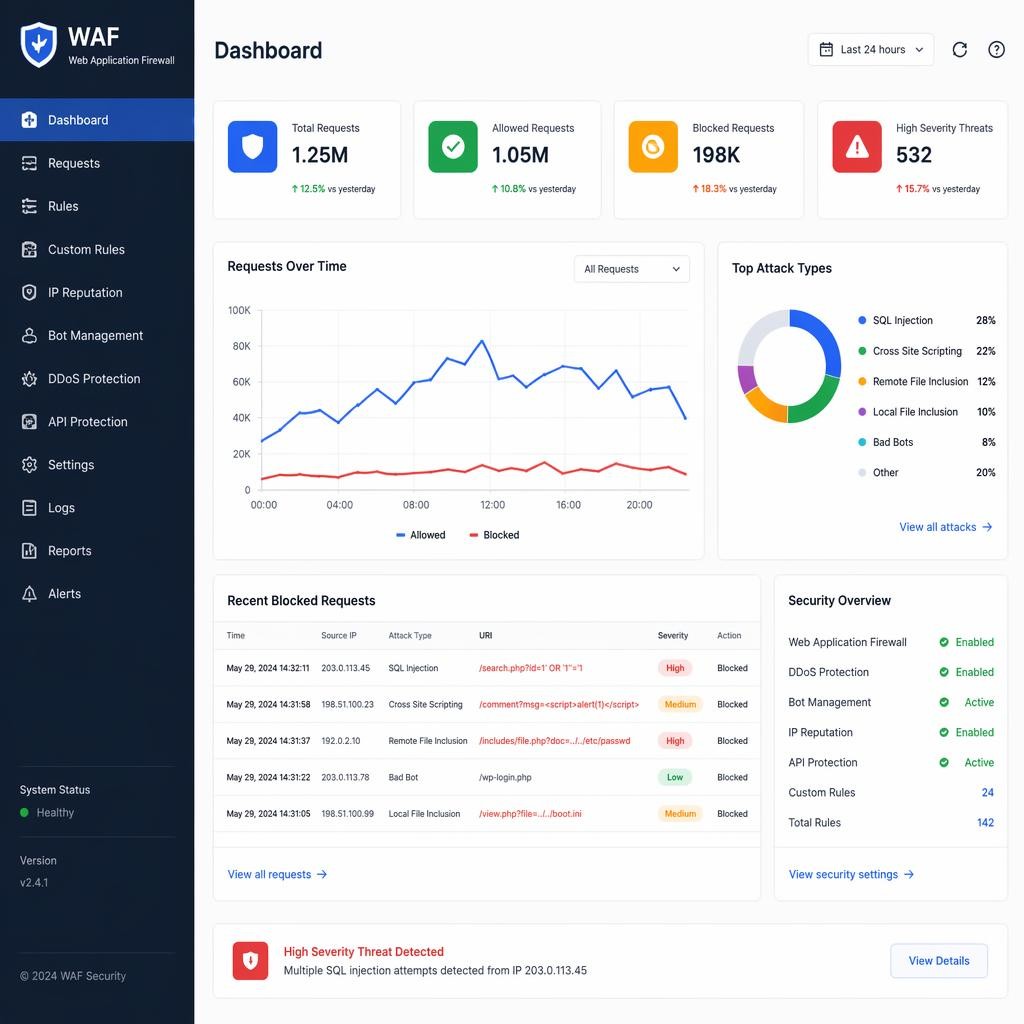
A built-in Web Application Firewall (WAF) is a significant security feature, protecting web pages from various online threats. LiteSpeed stands out by offering a built-in WAF, enhancing the security posture directly at the web server level. In contrast, Nginx and Apache do not include a WAF natively and typically require third-party modules or external solutions, such as ModSecurity, to implement similar protection for a web application.
Performance Benchmarks
Understanding the raw performance of each web server is crucial for optimizing your web hosting environment, particularly for high-traffic sites. These benchmarks provide insights into how each server technology handles different types of requests under various conditions, offering a clear picture of their capabilities. The performance metrics help in determining which web server software is the fastest web server for specific workloads, making the choice between LiteSpeed, Nginx, and Apache clearer.
Static Content Performance
When it comes to serving static content, such as images, CSS, and JavaScript files, Nginx often demonstrates superior performance in terms of requests per second (RPS) and lower latency compared to both LiteSpeed and Apache. Its asynchronous, event-driven architecture allows Nginx to handle a large number of concurrent connections with remarkable efficiency, minimizing the load on server resources. LiteSpeed Web Server also performs very well, often outpacing Apache in static file delivery, but Nginx typically holds an edge due to its highly optimized design for this specific workload.
Dynamic PHP Workload Analysis
For dynamic PHP workloads, particularly relevant for WordPress sites, LiteSpeed Web Server truly shines. With its native LSCache module and the LiteSpeed Cache plugin, it offers exceptional performance, significantly reducing CPU and RAM usage while delivering a high volume of requests per second. While Nginx with PHP-FPM also provides robust performance for dynamic content, and Apache with mod_php or PHP-FPM can also manage, LiteSpeed often achieves higher efficiency due to its integrated caching and optimization mechanisms. This makes LiteSpeed a compelling choice for demanding web application environments.
Real-World Test Results
In real-world tests, comparing LiteSpeed vs Nginx vs Apache reveals distinct patterns. For instance, a typical benchmark might show LiteSpeed handling 50% more dynamic PHP requests per second than Nginx (with PHP-FPM) and nearly double that of Apache (with mod_php) on a WordPress site under heavy load, while maintaining lower memory consumption. For static content, Nginx consistently outperforms both, showcasing its strength in high-concurrency scenarios. Apache, while reliable, generally requires more server resources for comparable performance, especially when managing complex web pages and applications, highlighting why many seek to replace Apache.
Technical Architecture
The underlying technical architecture of a web server dictates its performance, scalability, and flexibility. Examining the event models, module ecosystems, and caching mechanisms of LiteSpeed, Nginx, and Apache provides critical insights into their fundamental differences and strengths. This section delves into how each popular web server is built, explaining why they behave the way they do under various loads and configurations, crucial for effective server management and web hosting decisions.
Event Model Comparison
The event model is a foundational aspect of how a web server processes requests. Nginx employs an asynchronous, event-driven model, which allows it to handle thousands of concurrent connections with minimal overhead, making it exceptionally efficient for static content and as a reverse proxy. LiteSpeed Web Server utilizes an event-based, multi-process model that combines the efficiency of event-driven processing with the stability of a multi-process architecture, contributing to its excellent dynamic content performance. Apache, traditionally, has relied on a process-based (prefork) or hybrid (worker/event) model, which can be less resource-efficient under high concurrency compared to Nginx or LiteSpeed.
Module Ecosystem Overview
Each web server boasts a unique module ecosystem that extends its core functionalities. Apache is renowned for its vast array of modules, offering extensive flexibility and .htaccess compatibility, allowing for decentralized configuration. LiteSpeed offers its own set of modules, including its powerful LSCache, and provides partial .htaccess support, easing migration for those used to Apache. Nginx has a strong ecosystem of third-party modules and a core set of highly optimized modules, but it lacks native .htaccess support, requiring all configurations to be managed centrally. This difference impacts server management and the flexibility of deploying web applications.
Caching Mechanisms
Efficient caching is paramount for website performance, especially for a WordPress web application. LiteSpeed excels with its native LSCache, a highly optimized, server-level caching solution that integrates seamlessly with the LiteSpeed Cache plugin for WordPress, significantly accelerating dynamic content delivery. Nginx offers micro-caching, which can be configured for both static and dynamic content, requiring careful setup to achieve optimal results. Apache provides mod_cache, which can cache various types of content but generally requires more configuration and may not be as performant as LSCache or Nginx’s optimized caching for high-traffic web pages.
WordPress-Specific Factors
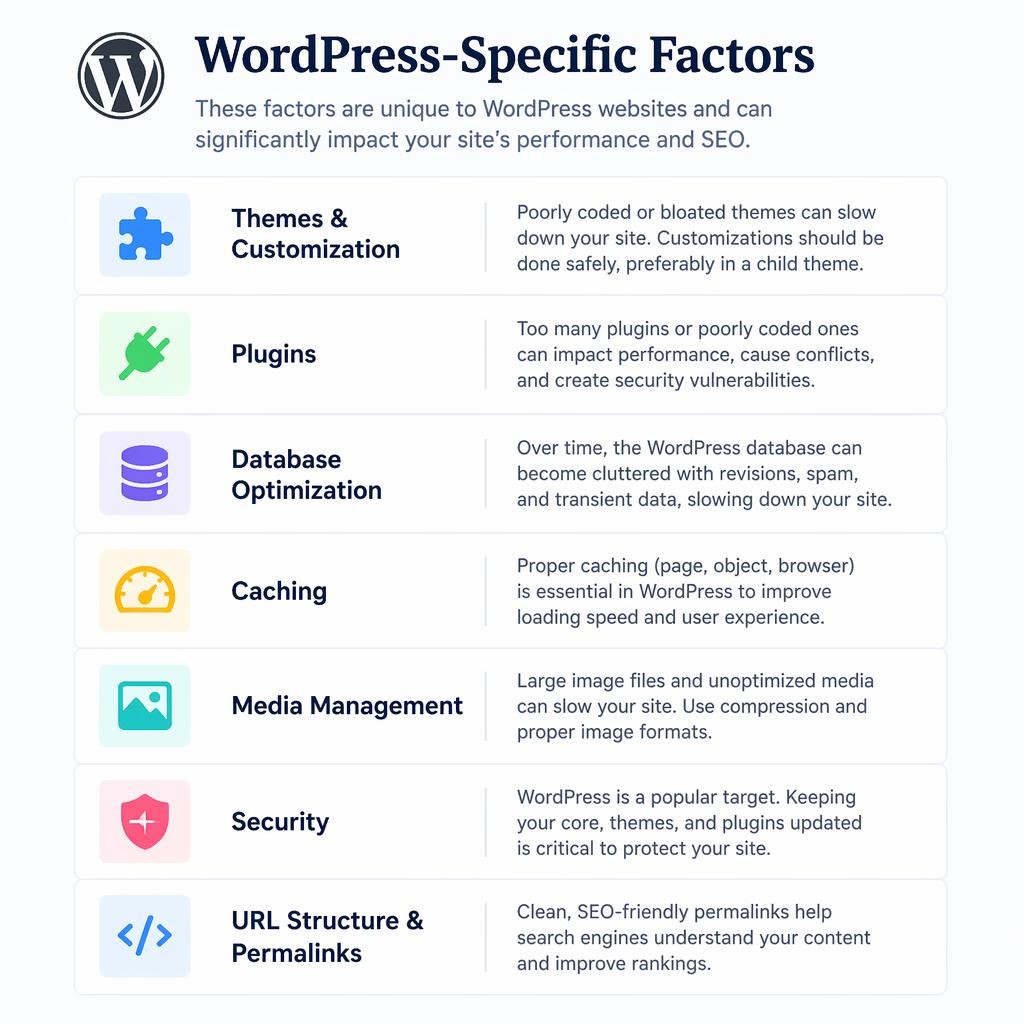
For anyone running a WordPress site, the choice of web server profoundly impacts performance, security, and ease of management. This section focuses on how LiteSpeed, Nginx, and Apache interact with WordPress, detailing specific optimizations, setup complexities, and performance nuances. Understanding these WordPress-specific factors is crucial for maximizing your site’s potential and ensuring a smooth user experience, regardless of whether you choose LiteSpeed, Nginx, or Apache.
LiteSpeed Optimizations
LiteSpeed Web Server is particularly optimized for WordPress, largely due to its proprietary LSCache technology and the highly effective LiteSpeed Cache plugin. These integrated solutions provide unparalleled server-level caching, image optimization, database optimization, and CSS/JS minification, all from a single plugin interface. This native integration allows LiteSpeed to deliver dynamic content to the user’s web browser faster than Nginx and Apache, often resulting in significant improvements in page load times and reduced server resource usage, making LiteSpeed an attractive option for WordPress web hosting.
Nginx & PHP-FPM Setup Complexity
Setting up Nginx for optimal WordPress performance typically involves pairing it with PHP-FPM (FastCGI Process Manager). While Nginx is a powerful web server and can be faster than Apache for static content, configuring it with PHP-FPM requires more technical expertise and manual intervention compared to LiteSpeed’s out-of-the-box solutions. This setup involves defining how Nginx passes PHP requests to PHP-FPM, managing FastCGI caching, and ensuring proper rewrite rules, which can be complex for those not accustomed to Nginx’s configuration syntax, though it yields a very performant web application.
Apache mod_php Performance
Apache, while being a widely used web server, traditionally relies on mod_php for processing PHP requests, where the PHP interpreter runs directly within the Apache process. While convenient for its ease of setup, mod_php can be less performant and more resource-intensive compared to PHP-FPM used with Nginx or LiteSpeed. Each PHP request consumes significant server resources, which can lead to higher memory usage and slower response times, especially on high-traffic WordPress sites. While Apache can also be configured with PHP-FPM for better performance, its native mod_php setup is often a bottleneck when compared to Nginx vs LiteSpeed benchmarks for dynamic content.
Security Features
The security features integrated within a web server are paramount for protecting web applications and user data from evolving cyber threats. Each popular web server—LiteSpeed, Nginx, and Apache—approaches security with distinct methodologies, offering varying levels of built-in protection and requiring different configurations for enhanced safeguarding. Understanding these differences is crucial for selecting a web server that aligns with your security requirements and minimizes vulnerabilities, making the choice between LiteSpeed, Nginx, and Apache a strategic decision for web hosting.
Built-in WAF & Rate Limiting
LiteSpeed Web Server distinguishes itself by offering a robust, built-in Web Application Firewall (WAF) and comprehensive rate-limiting capabilities. This integrated security layer provides proactive protection against common web vulnerabilities, such as SQL injection and cross-site scripting, directly at the server level. The native rate limiting helps mitigate DDoS attacks and brute-force attempts by controlling the number of requests a user’s web browser can make within a given period, significantly enhancing the security posture of a WordPress web application without the need for additional third-party modules or complex configurations.
Nginx ModSecurity Integration
Nginx, while renowned for its performance and efficiency, does not include a native WAF. To achieve Web Application Firewall functionality, Nginx users typically integrate ModSecurity, an open-source web application firewall engine. This integration, while powerful, requires additional configuration steps, including compiling Nginx with the ModSecurity module or setting up ModSecurity as a reverse proxy. While this approach offers extensive customization and protection, it adds a layer of complexity to server management compared to the built-in solutions offered by LiteSpeed, yet it’s a common practice for enhancing the security of web pages.
Apache Security Modules
Apache Web Server, with its extensive module ecosystem, offers various security modules and configurations to protect web applications. ModSecurity is also a popular choice for Apache users, providing comprehensive WAF capabilities when properly configured. Additionally, Apache provides modules like mod_evasive for basic DDoS protection, mod_reqtimeout for preventing Slowloris attacks, and robust SSL/TLS configurations through mod_ssl. While Apache’s flexibility allows for a highly customized security setup, it often requires manual configuration and the integration of multiple modules to achieve a comprehensive security posture comparable to the built-in features of LiteSpeed, making the management of server resources critical.
Resource Requirements & Scaling
The efficiency of server resource utilization and the ability to scale are critical considerations for any web hosting environment, particularly for high-traffic WordPress sites. LiteSpeed, Nginx, and Apache each exhibit different resource footprints and scaling characteristics, impacting hardware requirements, cost, and complexity of deployment. Understanding these aspects is essential for optimizing performance while managing server resources effectively, making the comparison of LiteSpeed vs Nginx vs Apache fundamental to infrastructure planning.
Minimum Hardware Specs
The minimum hardware specifications vary significantly across the three web servers. Nginx is well-known for its low memory footprint and efficient CPU utilization, often requiring less RAM and CPU power to handle a large number of concurrent connections, especially for static content, making it a faster web server in many scenarios. LiteSpeed Web Server also boasts competitive resource efficiency, often outperforming Apache in dynamic PHP workloads while maintaining reasonable server resource usage. Apache, particularly with mod_php, can be more resource-intensive, requiring higher minimum RAM and CPU specifications to deliver comparable performance for web application handling, often leading users to replace Apache.
Container/VM Sizing Recommendations
For containerized or virtualized environments, such as Docker or VMs, specific sizing recommendations apply. Nginx’s lightweight nature makes it an excellent choice for microservices architectures and smaller containers, often requiring fewer allocated resources for optimal performance. LiteSpeed, with its efficient handling of dynamic content and built-in caching, can also thrive in containerized setups, providing excellent performance for WordPress web applications even with moderate resource allocation. Apache, due to its potentially higher resource consumption, might require larger container or VM allocations to ensure stable performance under load, especially when managing complex web pages or when used with Apache and Nginx together as a proxy.
Horizontal Scaling Considerations
Horizontal scaling, which involves adding more server instances to distribute load, is a key strategy for handling increasing traffic. Nginx’s architecture makes it exceptionally well-suited for horizontal scaling, often deployed as a reverse proxy or load balancer to distribute requests across multiple backend web server instances. LiteSpeed also scales effectively horizontally, especially when paired with external load balancers, leveraging its LSCache for distributed caching and consistent performance across multiple nodes. Apache, while capable of horizontal scaling, may require more careful configuration and resource management to ensure efficient load distribution and consistent performance across a cluster of servers, making server management a more involved process.
Migration & Compatibility
Migrating a website between different web server technologies can be a complex process, with varying degrees of compatibility for existing configurations and features. Understanding the nuances of .htaccess rewrite portability, SSL/TLS configuration differences, and control panel support for LiteSpeed, Nginx, and Apache is crucial for a smooth transition and ongoing server management. This section addresses these compatibility factors, guiding users through potential challenges and facilitating informed decisions when choosing or switching a popular web server.
.htaccess Rewrite Portability
The .htaccess file is a common configuration tool, particularly prevalent in Apache environments for defining rewrite rules, access controls, and other directives. Apache offers full .htaccess compatibility, making it highly flexible. LiteSpeed Web Server provides partial .htaccess support, designed to interpret most common Apache rewrite rules and directives directly, which significantly eases migration from Apache to LiteSpeed. In contrast, Nginx does not natively support .htaccess files. All rewrite rules and configurations must be translated and explicitly defined within Nginx’s main configuration files, which can be a significant undertaking for web pages with extensive .htaccess usage, often requiring manual conversion and testing.
SSL/TLS Configuration Differences
SSL/TLS configuration is a critical aspect of web security, and its implementation varies across web servers. All three—LiteSpeed, Nginx, and Apache—support modern SSL/TLS protocols and ciphers, but their configuration syntax differs. Apache typically configures SSL/TLS within virtual host blocks using directives like `SSLEngine` and `SSLCertificateFile`. Nginx uses directives such as `ssl_certificate` and `ssl_certificate_key` within its server blocks. LiteSpeed offers a user-friendly interface for SSL/TLS management, often integrated with its control panel support, simplifying the process. While the underlying cryptographic principles are similar, specific syntax and placement of directives require careful attention during migration to ensure secure web hosting.
Control Panel Support
Control panel support plays a vital role in simplifying server management and website deployment for web hosting providers and individual users. Apache boasts the broadest compatibility with popular control panels such as cPanel, Plesk, and DirectAdmin, reflecting its long-standing presence in the hosting industry. LiteSpeed also offers excellent integration with major control panels, often providing specific plugins or modules that enable easy installation, configuration, and management of LiteSpeed Web Server and OpenLiteSpeed, including LSCache. Nginx, while gaining traction, may require more manual setup or specific control panel modules to be fully integrated, though many modern panels are now offering robust Nginx and LiteSpeed support, reducing the need to replace Apache.
When to Choose Which
Choosing the right web server for your specific needs is paramount for optimal performance, security, and scalability. The decision among LiteSpeed, Nginx, and Apache hinges on various factors, including your website’s traffic patterns, the technical expertise available for server management, and the specific features you prioritize. This section provides clear guidelines to help you determine which popular web server technology is best suited for your web hosting environment in 2025, ensuring that your web application thrives.
Choosing LiteSpeed
Choose LiteSpeed if you manage high-traffic WordPress sites and require robust, built-in caching and optimization with minimal administrative overhead. LiteSpeed Web Server, particularly with its LSCache plugin, offers unparalleled performance for dynamic PHP content, significantly reducing server resources and improving page load times. If you seek a faster web server solution that provides comprehensive features out-of-the-box and simplifies server management, LiteSpeed offers an excellent balance of speed, security, and ease of use, often outperforming Nginx and Apache for WordPress.
Choosing Nginx
Opt for Nginx if your primary goal is maximum concurrency, a low memory footprint, and flexible reverse-proxy setups, especially for serving static content or as a front-end for microservices. Nginx excels at handling a large number of concurrent connections efficiently, making it an ideal choice for high-traffic web pages and content delivery networks. While Nginx requires more technical expertise for configuring dynamic content with PHP-FPM compared to LiteSpeed, its architectural efficiency and scalability make it a preferred option for those who prioritize raw performance and customizability, often being faster than Apache for static content.
Choosing Apache
Consider Apache if you are operating in legacy environments, heavily rely on .htaccess files for decentralized configurations, or are comfortable with mod_php workloads, though PHP-FPM is recommended for better performance. Apache Web Server is known for its extensive compatibility and vast module ecosystem, making it a versatile choice for a wide range of web applications. While Apache may consume more server resources compared to Nginx vs LiteSpeed, its widespread adoption and community support provide a familiar and robust platform for web hosting, especially when a gradual transition from an existing setup is preferred over choosing to replace Apache entirely.
2025 Trends to Highlight
As web server technology continues to evolve, staying abreast of the latest trends is crucial for maintaining competitive performance and security. In 2025, key developments like HTTP/3 & QUIC support, container-native deployments, and seamless integration with modern PHP versions are shaping the landscape. These trends influence the choice among LiteSpeed, Nginx, and Apache, offering new opportunities for optimization and enhanced user experience for any web application or web pages served by a popular web server.
HTTP/3 & QUIC Support
HTTP/3 and its underlying transport protocol, QUIC, represent the next generation of web communication, promising significant improvements in speed and efficiency, particularly over unreliable networks. LiteSpeed Web Server has been a pioneer in this area, offering robust, native HTTP/3 and QUIC support for some time, providing an immediate performance advantage for websites using it. Nginx has also made substantial progress in integrating HTTP/3, with increasing stability in its implementations, while Apache is actively developing its support for these protocols. Early adoption of HTTP/3 is a critical factor for future-proofing your web hosting environment, making LiteSpeed and Nginx increasingly attractive.
Container-Native Deployment Insights
Container-native deployment, leveraging technologies like Docker and Kubernetes, is transforming how web applications are developed, deployed, and scaled. Nginx, with its lightweight and modular architecture, is exceptionally well-suited for containerized environments, making it a popular choice for microservices. LiteSpeed also integrates seamlessly with Docker and Kubernetes, offering efficient resource utilization and easy scalability for its web server and LSCache. Apache, while fully capable of running in containers, may require more careful resource allocation due to its potentially higher memory footprint. Understanding these differences is vital for efficient server management and horizontal scaling strategies in modern cloud infrastructures.
Integration with Modern PHP Versions
The performance and security of web applications, especially WordPress, are heavily dependent on robust integration with modern PHP versions (e.g., 8.2+). LiteSpeed Web Server is designed for optimal performance with the latest PHP versions, particularly when paired with LSCache, ensuring that dynamic content is served efficiently. Nginx typically uses PHP-FPM, which provides excellent compatibility and performance with modern PHP, offering a secure and isolated execution environment. Apache can also be configured with PHP-FPM for enhanced performance, moving away from the older mod_php which is less efficient. Ensuring your chosen web server fully supports and leverages the latest PHP features is crucial for both security and speed, enhancing the delivery of web pages.
Actionable Summary Box
Making the final decision among LiteSpeed, Nginx, and Apache can be simplified by considering your primary objectives and existing infrastructure. This actionable summary provides a concise guide, highlighting the key scenarios where each popular web server truly excels. Whether you prioritize raw speed for WordPress, maximum concurrency, or broad compatibility, these recommendations will help you choose the ideal web server technology for your web hosting needs, ensuring your web application performs optimally.
Choose LiteSpeed if…
Choose LiteSpeed if you need the fastest web server for high-traffic WordPress sites, desire built-in caching and optimization through LSCache, and seek a solution that requires limited administrative time for performance tuning. LiteSpeed Web Server offers exceptional performance for dynamic content out-of-the-box, significantly reducing server resources and simplifying server management, making it an excellent choice for a robust and efficient web application.
Choose Nginx if…
Choose Nginx if you require maximum concurrency and a low memory footprint, need flexible reverse-proxy setups, or primarily serve static content with high efficiency. Nginx excels in these areas, offering an incredibly scalable and efficient architecture that is ideal for complex web applications and microservices, though it demands more technical expertise for dynamic PHP configurations compared to LiteSpeed.
Choose Apache if…
Choose Apache if you are running legacy environments with extensive reliance on .htaccess files, require broad compatibility with existing modules, or prefer a widely used web server with extensive community support. Apache Web Server offers unparalleled flexibility and is an excellent choice for those who need to maintain complex configurations and rely on a familiar and robust platform for their web hosting environment.